
- Stone Boutique
- Luxury Hardscape
- About



- Stone Boutique
- Luxury Hardscape
Even the most beautiful stone design can be ruined or enhanced by the way it is laid. The laying is the “silent architecture” behind every elegant hardscape. It decides whether the surface feels premium underfoot, stays level for years, drains cleanly, and remains safe in daily use. At Arlades, we execute professional German stone laying as per DIN standards. We use only slip-resistant finishes for outdoor areas and never use polished finishes on exterior surfaces.
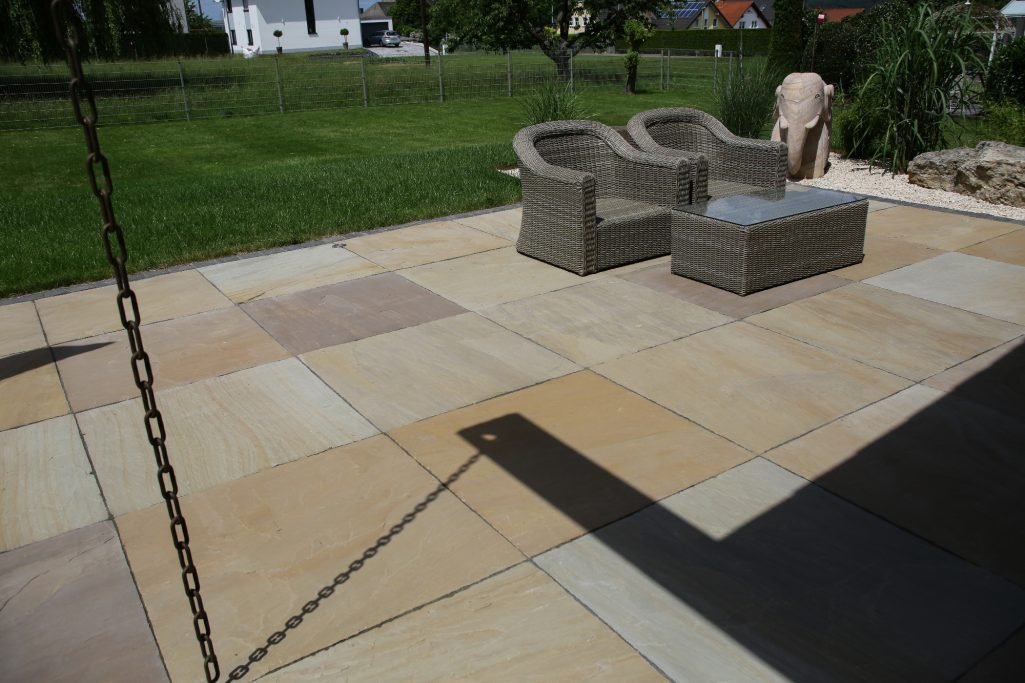
1 Choosing the right stone and thickness
The right thickness depends on how the surface will be used.
For terraces and garden pathways with pedestrian use, a thickness of 25 to 40 mm is typically suitable.
For driveways used by cars, we recommend 50 to 80 mm for better long-term performance and resistance to movement.
For high-load areas, the design is engineered based on expected traffic and site conditions.
Stone selection should be based on durability, slip safety, and maintenance needs. Granite, basalt, and quartzite are excellent choices for long-lasting outdoor applications. High-quality sandstone also performs very well when installed correctly. Limestone can be used where the design demands it, but selection and protection must be done carefully.
2 Materials used for laying the stone
A durable surface is created by the correct layer build-up, compaction, and edge restraint. Below the stone, we use a stable, well-compacted foundation and a leveling layer suited to the stone format and application. Depending on the project, the bedding system can be a well-graded mineral base with a washed grit leveling layer, or a bound bedding system where higher stability is required. Edge restraints are a must. They prevent lateral movement and keep the surface tight and level over time.
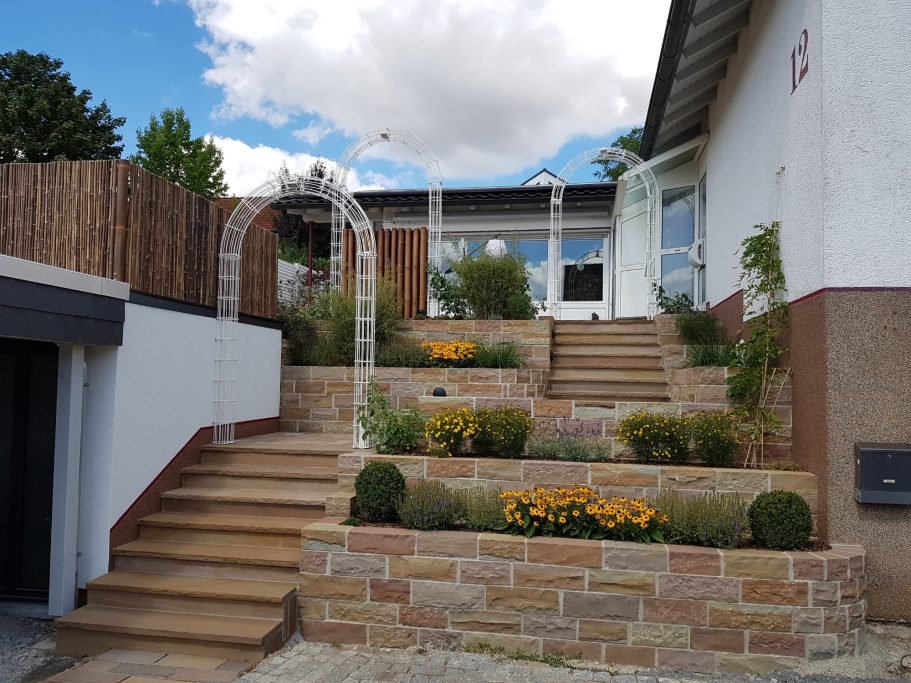
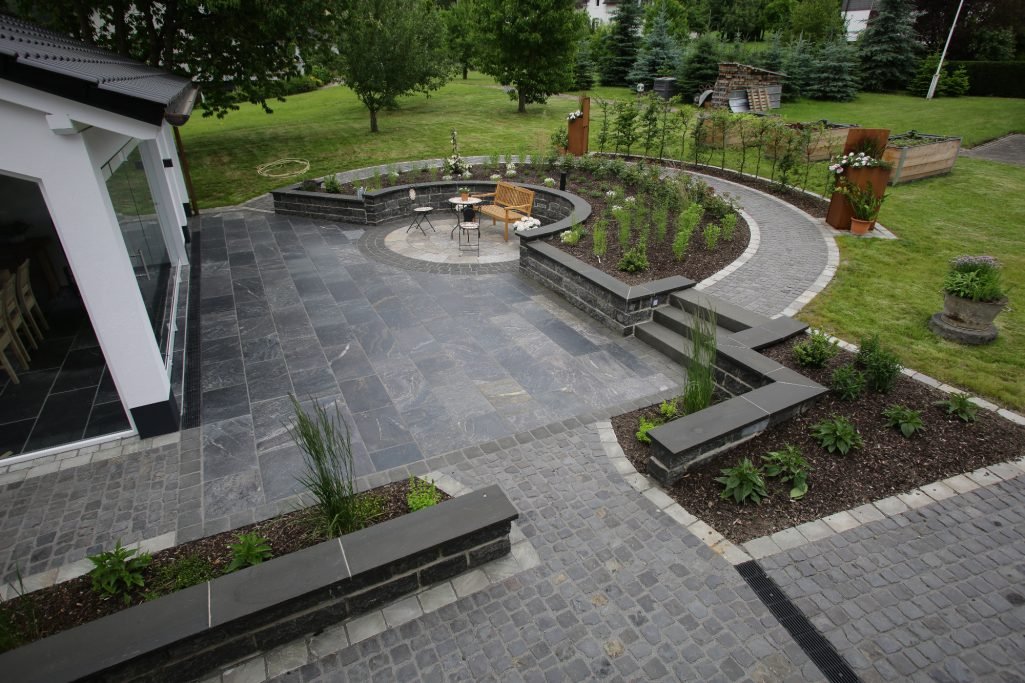
3 Joint materials that keep the surface strong and clean
Joints are not a cosmetic detail. They lock the surface and prevent shifting. For many terraces and pathways, polymeric joint sand is a highly effective solution. It remains flexible, supports clean drainage, and significantly reduces weed growth. Where a more rigid system is required, joint mortar can be used, provided the bedding system and drainage detailing are designed accordingly.
4 Impregnation to protect and preserve the stone
For exterior natural stone, we recommend a breathable, water-repellent impregnation selected specifically for your stone type. This helps reduce staining, limits water absorption, supports easier cleaning, and keeps the surface looking refined without creating a glossy film.
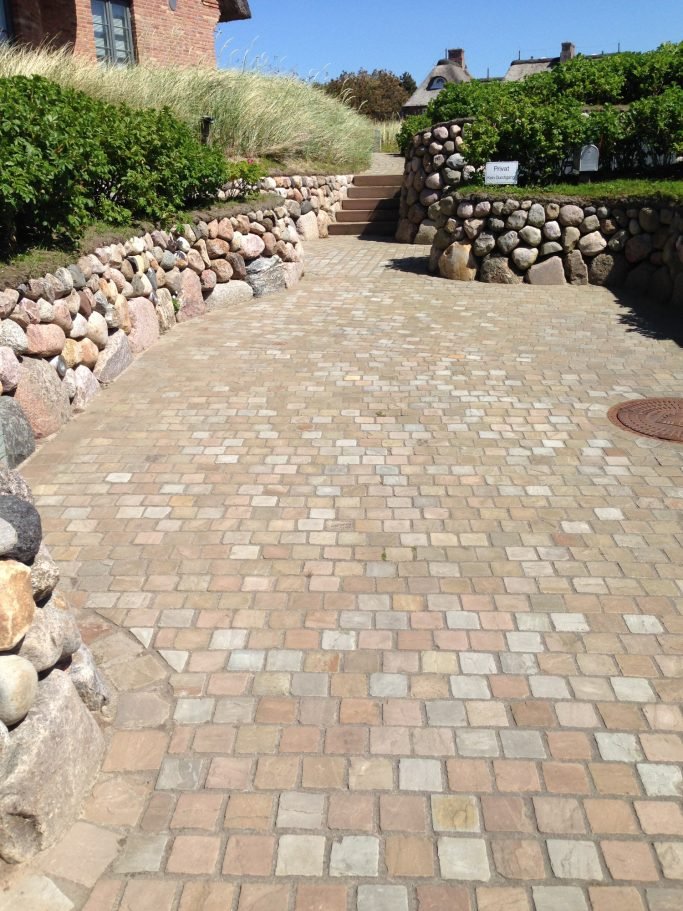
5 The right slope to avoid water puddles
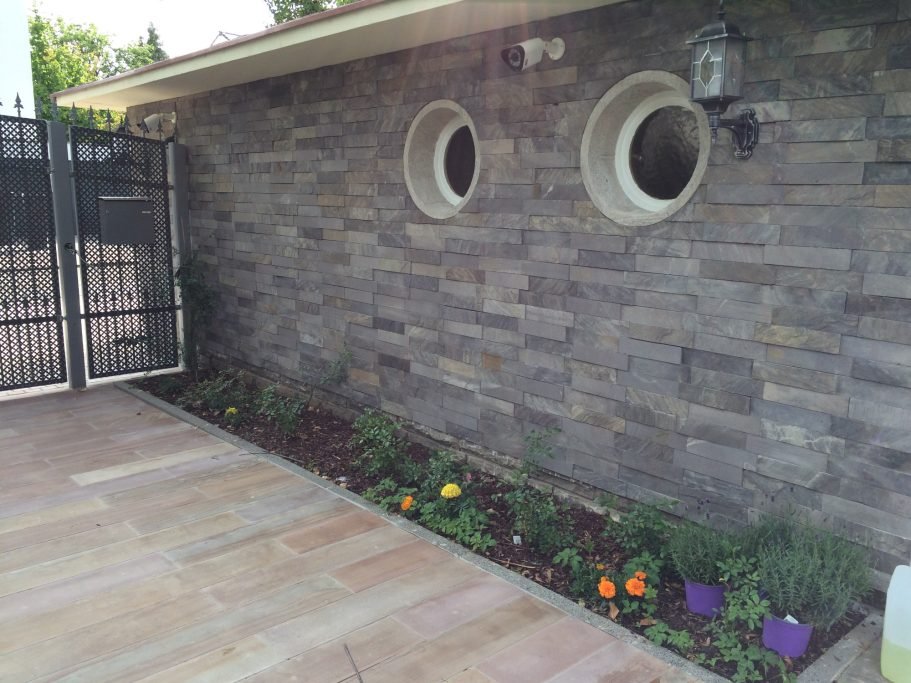
To ensure water does not stop on the surface and form puddles later, correct slope is essential. We generally maintain a slope of 2 percent to 3 percent, which means a fall of 2 to 3 cm per meter. Water is directed away from buildings and toward planned drainage zones or garden areas. This single detail makes a visible difference in how clean and “new” your hardscape looks over time.
6 Raised flower beds with natural stone walls
Raised beds need proper internal layering so that water does not build pressure behind the stone wall. Inside the bed, we use drainage gravel near the wall, a geotextile separation layer to prevent soil clogging the drainage zone, and a suitable planting mix. Where required, a drainage pipe can be included depending on bed size, watering pattern, and soil type. This protects the stone wall, improves plant health, and keeps the area clean and stable for the long term.
7 How deep the base should be dug for pathways and driveways
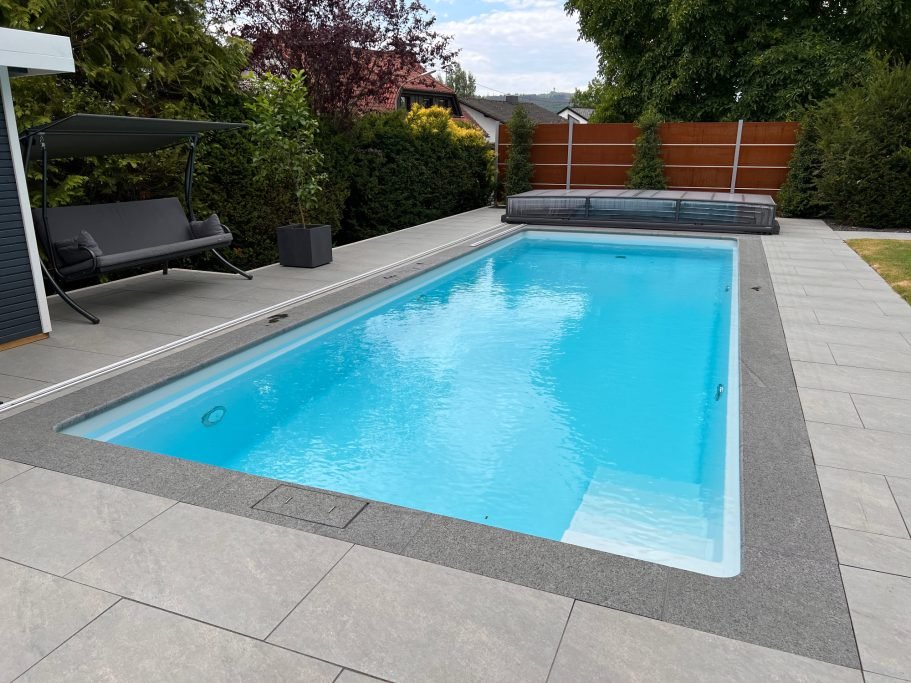
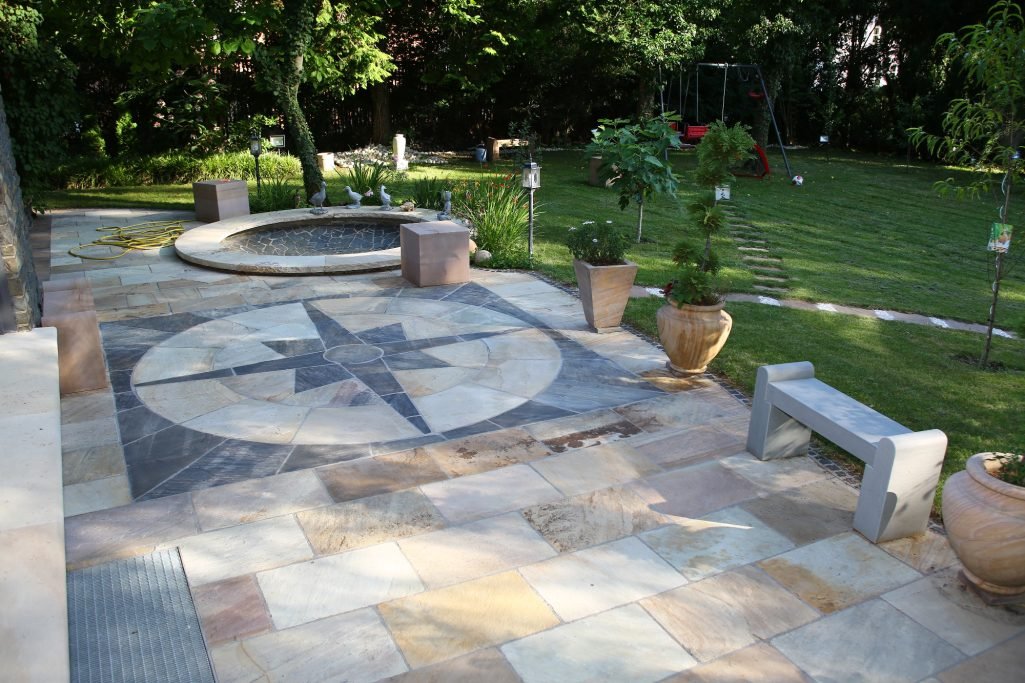
The excavation depth depends on soil conditions, load, and the layer build-up required for long-lasting stability. For garden pathways and terraces, excavation is commonly in the range of 25 to 40 cm. For driveways, excavation is commonly in the range of 45 to 70 cm. The purpose of this depth is to build a strong foundation with compacted layers that distribute loads evenly and prevent settlement, which is the main cause of uneven surfaces and cracked slabs over time.
8 What goes under the stone to prevent cracks and uneven surfaces
Most failures happen below the surface, not on top of it. To ensure long-lasting durability and avoid cracked slabs or uneven surfaces after months or years, we focus on the correct substructure. We use a properly compacted subgrade, a well-graded foundation layer, and a suitable leveling layer for the chosen stone. Where needed, geotextile is used to prevent mixing of soil and base layers. Edge restraints and correct jointing complete the system and lock the surface in place. The result is a hardscape that stays aligned, drains correctly, and looks premium year after year.
9 The Arlades standard
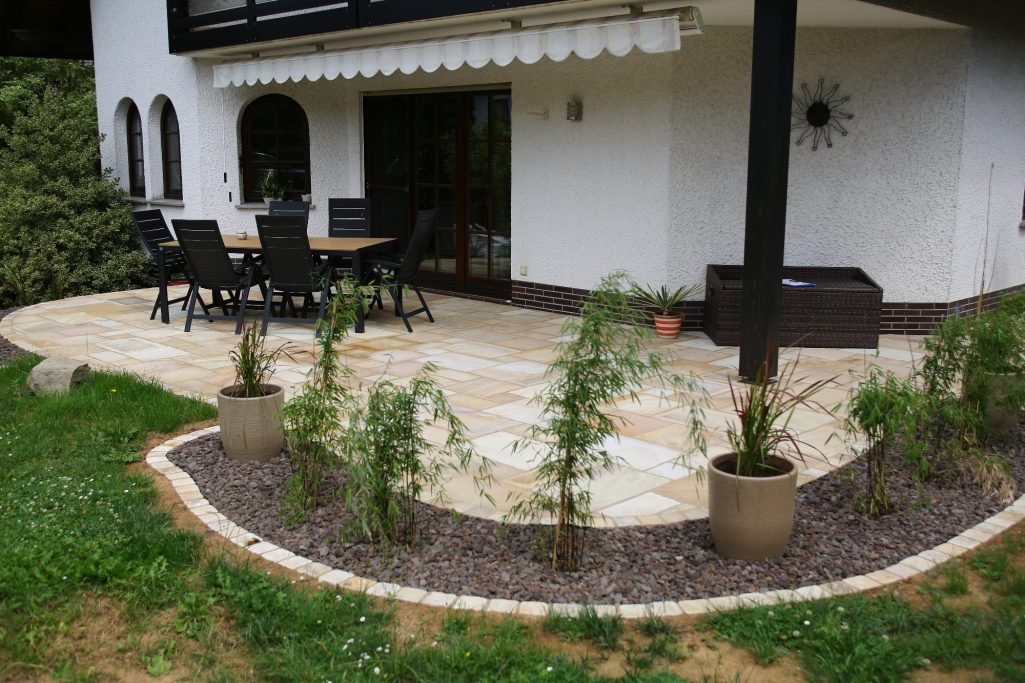
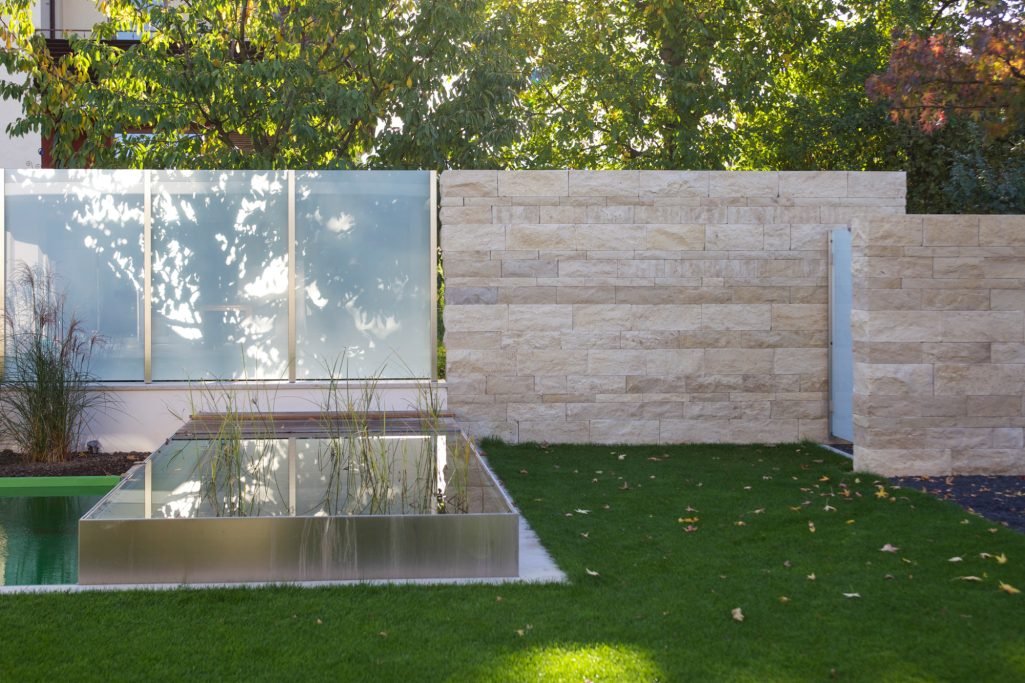
Arlades stone laying is built on German workmanship and DIN-based execution. We combine design sensitivity with engineering discipline, ensuring every terrace, pathway, driveway, and raised bed wall looks refined and performs reliably for the long term.
Ready to begin?
Let’s shape something timeless.
Send us your site location, a few photos, and the style you’re drawn to. We’ll come back with a clear next step — whether that’s a consultation, a concept proposal, or a material direction plan.